Hajj Icons: Graphics for Modern Branding
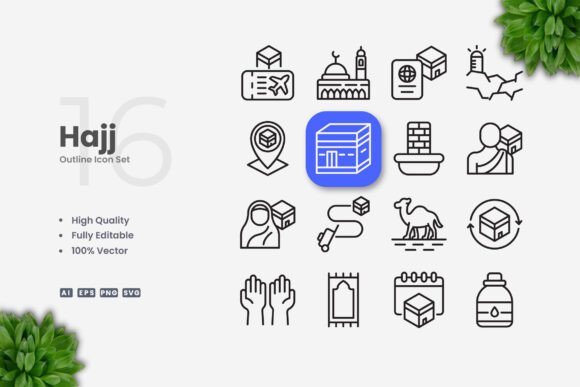
As a brand designer and content marketer, I’ve seen countless graphic design assets come and go. But Hajj Icons stand out for their simplicity, versatility, and ability to elevate visual storytelling. Whether you're working on a digital product, printable design, or social media graphics, these icons offer a clean foundation that supports a wide range of creative projects.
The First Impression: Clean and Confident
Hajj Icons immediately convey a sense of clarity and professionalism. The simple and clean icon design creates a mood that’s both modern and approachable. It’s ideal for brands looking to communicate without overwhelming the audience. This makes it perfect for casual branding, lifestyle content, or even premium visuals where subtlety matters.
These icons don’t demand attention—they enhance it. Their minimal style ensures they blend well with other design elements without clashing. For small business branding, this is a huge advantage. You can use them in Canva templates, editorial design, or web design without worrying about visual noise.
Real-World Applications for Marketing and Branding
In real marketing situations, Hajj Icons prove to be a reliable graphic design asset. They work seamlessly in brand identity projects, logo design, and packaging design. Whether you're creating product labels, digital ads, or blog graphics, these icons add a layer of polish that elevates the overall look.
For social media graphics, Hajj Icons are a game-changer. They fit perfectly into Instagram posts, Pinterest pins, and Facebook ads. Their scalability means you can resize them for different platforms without losing quality. As a content creator, this saves time and ensures consistency across your visual content.
They also shine in editorial design and lead magnets. When paired with a strong message, these icons help guide the reader’s eye and improve visual hierarchy. This is crucial for email banners, content kits, and promotional materials that need to capture attention quickly.
Supporting Marketing Goals with Visual Consistency
One of the key benefits of Hajj Icons is their ability to support stronger first impressions. A well-designed icon can make the difference between a viewer scrolling past or engaging with your content. These icons help create a professional appearance that builds audience trust and increases recognition.
They also contribute to better product presentation. Whether you’re designing packaging inserts, merchandise, or digital product visuals, Hajj Icons add a touch of sophistication that aligns with modern design trends. This is especially valuable for small business owners looking to stand out in a crowded market.
Emotional connection is another area where Hajj Icons excel. Their clean lines and balanced composition evoke a sense of calm and order. This makes them ideal for campaigns focused on mindfulness, travel, or cultural storytelling—areas where visual harmony plays a big role.
Where Hajj Icons Shine Best
Hajj Icons are most effective in hero graphics, campaign headers, and product launch visuals. They serve as strong visual anchors that draw the eye without overpowering the message. In branded templates, they provide a cohesive look that reinforces your brand’s identity.
For social media covers and packaging accents, these icons add a subtle yet meaningful detail. They work well in content bundles, promotional banners, and editorial layouts where a touch of visual interest is needed without being distracting.
They also make great decorative brand elements. Whether you’re creating stickers, merchandise, or printable promotions, Hajj Icons add a refined edge that feels both creative and professional.
When to Use Caution
While Hajj Icons are versatile, they may not be the best choice for every project. In formal corporate branding, their minimal style might feel too understated. If your brand relies on bold visuals or intricate details, these icons could appear too simple.
They also require careful placement in dense information layouts or small mobile graphics. In low-contrast backgrounds, the stroke weight might not be visible enough. For text-heavy ads or designs where the main message needs to dominate, Hajj Icons should be used sparingly.
Overly minimal brands might find these icons too generic. If your brand identity is built around uniqueness or complexity, you may need a more distinctive design asset.
Practical Notes for Brand Designers
Before finalizing any project, test Hajj Icons with your brand color palette. Ensure they look good in black and white and that they maintain clarity at small sizes. Preview them on mobile screens to check readability and adjust stroke weights if necessary.
Place them inside real campaign mockups to see how they interact with other design elements. Compare them against competitor visuals to ensure they stand out in the right way. Check how they pair with different font styles—serif, sans serif, script, or display fonts—to find the best match for your brand’s tone.
Review spacing and balance to avoid clutter. Make sure the icons complement rather than compete with your messaging. Finally, confirm commercial licensing before using them in paid campaigns, client work, or business branding.
Why Hajj Icons Matter for Content Creators
For content marketers and designers, Hajj Icons offer a powerful tool for building consistent, professional visuals. Whether you're working on a digital ad, a blog graphic, or a Canva template, these icons provide a reliable base that enhances your creative process.
They’re part of a design bundle that supports multiple use cases—from print to digital. As a creative marketplace asset, they offer flexibility and value for small business owners, online coaches, and product creators who need high-quality design elements without the hassle of custom illustrations.
With their clean aesthetic and broad applicability, Hajj Icons are more than just a visual asset—they’re a strategic choice for anyone looking to build a strong, memorable brand presence.